
Glyn Johns – From the Rolling Stones to the Eagles, and the Beatles Along the Way
Glyn Johns is one of the most influential producers and engineers of the vinyl era, known for capturing rock music with clarity, space, and restraint. Rising through London’s studio system in the 1960s, he worked at Olympic Studios before going on to record landmark albums with the Rolling Stones, Led Zeppelin, The Who, and the Eagles. His brief involvement with the Beatles’ Let It Be project, along with decades of studio work on both sides of the Atlantic, cemented his reputation as a true sound man.
Glyn Johns came up through the British studio system in the early 1960s, learning his craft as an engineer before becoming one of the most influential producers of the classic rock era. Unlike many producers of the time, Johns was first and foremost a sound man, obsessed with natural balance, room ambience, and performances that felt lived-in rather than constructed. His early work at Olympic Studios placed him at the heart of London’s recording scene.
His discography reads like a map of late-60s and early-70s rock. He worked extensively with The Rolling Stones, engineering and producing sessions around Beggars Banquet and Let It Bleed, and was briefly involved with The Beatles during the Let It Be project, assembling early mixes that favoured raw takes and minimal polish. Beyond that, Johns produced landmark albums for Led Zeppelin, The Who, Eric Clapton, and the Eagles, helping bridge British recording traditions with the emerging American rock sound.
Glyn Johns’ involvement with The Beatles came during the troubled Let It Be project in 1969, when he was brought in to assemble an album from the band’s rehearsals and live recordings. Johns prepared several versions of Let It Be, favouring a stripped-back, documentary-style approach that reflected the original “back to basics” brief, with minimal overdubs and studio polish. Although his mixes were ultimately shelved in favour of Phil Spector’s later production, Johns’ versions offer a revealing alternative view of the project and underline his long-held philosophy of capturing performances as they happened, rather than reshaping them in post-production.
Studios played a crucial role in his work, from Olympic and IBC Studios in London to sessions in Los Angeles as his career expanded internationally. Johns is still alive today and has remained active as an author and commentator on recording history, most notably through his memoir Sound Man. His influence persists not just through the albums he made, but through recording techniques and philosophies that still shape how rock music is captured on tape.
Glyn Johns – Selected Discography
Let It Bleed – The Rolling Stones (1969)
Recorded at Olympic Studios.
Johns’ engineering and production approach favoured space, feel, and natural drum sounds.
Beggars Banquet – The Rolling Stones (1968)
Recorded at Olympic Studios.
A pivotal late-60s album where Johns helped strip the Stones back to a rawer core sound.
Led Zeppelin – Led Zeppelin (1969)
Recorded at Olympic Studios.
Johns engineered and co-produced sessions that defined one of rock’s most powerful debut sounds.
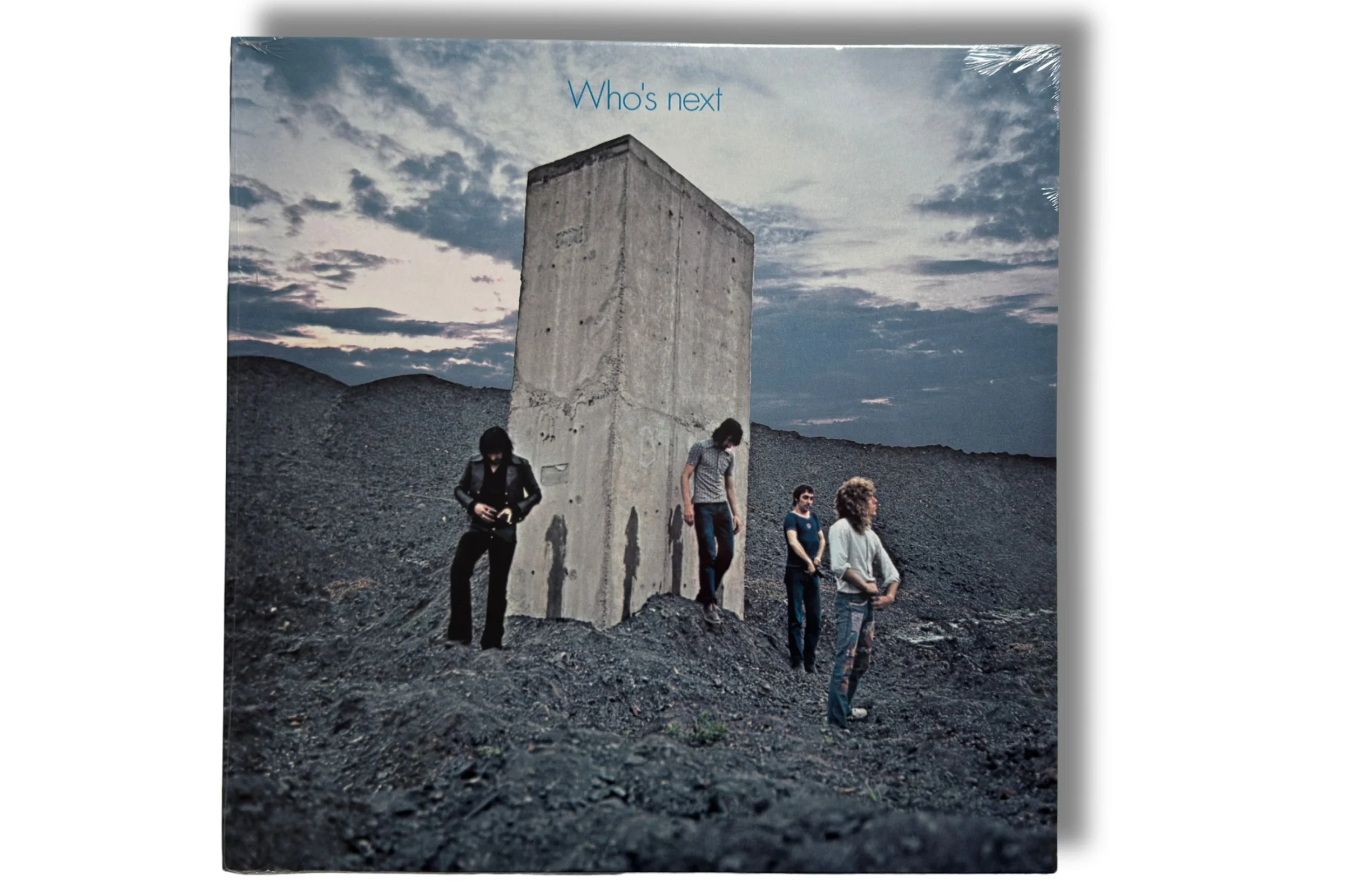
Who’s Next – The Who (1971)
Recorded at Olympic Studios and Stargroves.
Combines Johns’ clean, punchy recording style with early synthesiser experimentation.
Eagles – Eagles (1972)
Recorded in London and Los Angeles, including Olympic Studios.
Johns’ production bridged British recording discipline with emerging West Coast harmony rock.
Bill Szymczyk – Producer of the Eagles’ Classic 1970s Albums
Bill Szymczyk is best known as the producer who helped shape the Eagles’ defining run of albums in the 1970s. Emerging from an A&R background at ABC Records, he brought a clear, disciplined approach to the studio that balanced commercial focus with trust in the band’s identity. From On the Border through Hotel California, Szymczyk played a central role in refining the Eagles’ vinyl-era sound at studios such as Criteria in Miami and the Record Plant in Los Angeles.
Bill Szymczyk emerged in the late 1960s as part of a new generation of American producers who combined technical confidence with a strong sense of artist identity. He began his career at ABC Records, working in A&R before moving behind the desk, a background that gave him a sharp understanding of both the studio and the commercial realities of record making. By the early 1970s, he had established himself as a producer who trusted bands to develop their own sound, rather than imposing a heavy stylistic hand.
He is best known for producing the Eagles during their most important vinyl-era run, including On the Border, One of These Nights, Hotel California, and The Long Run. Much of this work was recorded at studios such as Criteria Studios in Miami and Record Plant, spaces closely associated with the polished but powerful West Coast sound of the 1970s. Beyond the Eagles, Szymczyk also produced key albums for Joe Walsh, J. Geils Band, and James Gang, reinforcing his reputation as a producer who thrived on guitar-driven rock with clarity and punch.
Szymczyk is still with us today and, while no longer active as a frontline producer, remains a respected figure in vinyl-era recording history. His legacy is defined less by studio experimentation and more by consistency, trust, and an ability to capture bands at their commercial and creative peak.
Bill Szymczyk – Selected Discography (5 albums)
One of These Nights – Eagles (1975)
Recorded primarily at Criteria Studios.
The album where Szymczyk helped refine the Eagles’ balance of harmony-led songwriting and commercial polish, setting the template for their mid-70s dominance.
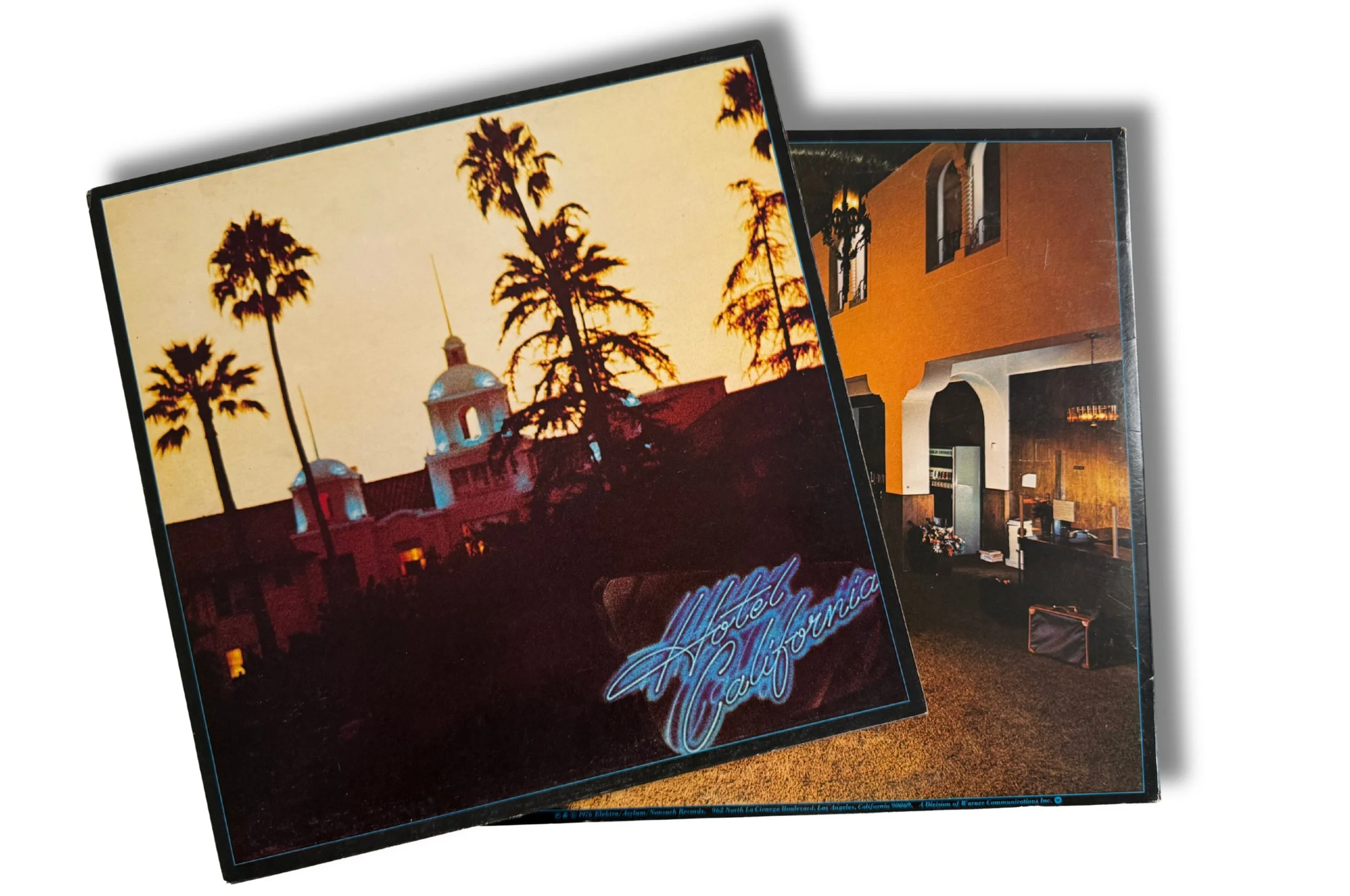
Hotel California – Eagles (1976)
Recorded across Criteria Studios and Record Plant.
A defining vinyl-era album, notable for its meticulous production and cinematic sound.
On the Border – Eagles (1974)
Partly recorded at Record Plant.
Marks the transition from country-rock roots toward a harder, guitar-driven sound.
The Smoker You Drink, the Player You Get – Joe Walsh (1973)
Recorded in Cleveland and Miami.
A crucial collaboration that fed directly into Walsh’s later role within the Eagles.
Bloodshot – J. Geils Band (1973)
Recorded live-in-the-studio style at Criteria Studios.
Captures Szymczyk’s ability to retain raw energy while delivering a commercially successful record.